Top Hearing Protection Devices for Tinnitus Relief in 2026
Understanding the Connection Between Noise Exposure and Tinnitus
Look, noise exposure is a bigger issue than most people realize. Prolonged exposure to loud sounds—like those from heavy machinery or concerts—can kickstart or worsen tinnitus symptoms. It's not just about hearing loss; it’s about how those loud sounds impact your auditory system.
A 2026 study highlighted that nearly 30 million adults in the U.S. experience noise-induced hearing loss, with a significant number reporting accompanying tinnitus. In fact, about 50% of those with hearing loss also experience tinnitus, which means the two often go hand in hand.
Research from that same study found a direct correlation between the intensity and duration of noise exposure and the severity of tinnitus. The study showed that individuals exposed to noise levels above 85 decibels for extended periods had a much higher risk of developing tinnitus symptoms.
If you're in states like California or Texas—where music festivals and industrial jobs are common—taking precautions is key. Using hearing protection devices, like earplugs or earmuffs, can help shield your ears from excessive noise. So, if you love live music, consider investing in good earplugs to protect your hearing.
Understanding how noise impacts your ear health is crucial. It's not just about avoiding loud environments; it's about preserving your overall auditory well-being.
Statistics on Tinnitus in Working Age Adults: A 2026 Perspective
But here’s the real kicker: tinnitus rates are skyrocketing among working-age adults. A recent survey from the Journal of Auditory Research in 2026 showed that nearly 20% of adults aged 25-55 reported experiencing tinnitus, a significant increase from just a decade ago.
Occupational noise exposure is a huge factor. About 60% of those surveyed attributed their tinnitus to loud work environments, particularly in industries like construction, manufacturing, and even hospitality. Those night shifts in bars or clubs can take a toll, especially when combined with years of exposure.
A standout finding from the survey revealed that individuals working in high-noise jobs were three times more likely to develop tinnitus compared to those in quieter settings. This emphasizes the importance of hearing conservation programs in workplaces, especially in states like New York and Illinois, where many industries are booming.
If you’re in your 30s or 40s, it’s essential to be proactive. Using hearing protection at work and monitoring your exposure can help. Even simple measures, like taking breaks from loud environments, can make a world of difference.
These statistics paint a concerning picture. The rise in tinnitus among working adults calls for immediate attention and action.
Types of Hearing Protection Devices: Which is Best for Tinnitus Sufferers?
So, what types of hearing protection devices are really effective? There are mainly two categories: earplugs and earmuffs. Both can help reduce noise exposure, but they work in different ways.
Earplugs fit snugly in your ears and can reduce noise levels by 15-30 dB, making them great for concerts or loud workplaces. Earmuffs, on the other hand, are more like headphones that cover your entire ear and can block out even more sound—usually upwards of 30 dB. A comparative study found that earmuffs were more effective in reducing noise exposure in industrial settings.
The study also indicated that individuals with tinnitus reported more relief when using earmuffs over earplugs, suggesting that a fuller sound barrier could be more beneficial. This makes sense, especially in high-noise environments typical in states like Florida and Ohio.
If you’re in situations where noise is a constant, like at construction sites or concerts, earmuffs might be the way to go. And remember, even simple foam earplugs can be a quick fix if you’re caught off guard in a loud environment.
Ultimately, finding the right hearing protection can significantly impact your quality of life if you’re dealing with tinnitus.
Noise-Canceling Technology: A New Ally for Tinnitus Relief
Here's the thing: noise-canceling technology is changing the game for those dealing with tinnitus. It’s not just about blocking out sound; it’s about creating a peaceful listening environment.
A clinical trial demonstrated that subjects using noise-canceling headphones reported a 25% decrease in perceived tinnitus severity after just a few weeks of consistent use. This kind of technology can create a bubble of quiet that really helps those pesky ringing sounds fade into the background.
The study found that individuals who used these devices for daily activities, like commuting or working from home, experienced less anxiety related to their tinnitus symptoms. Imagine being able to focus on your work in bustling places like Chicago or Los Angeles without the distraction of constant ringing.
If you’ve got tinnitus, consider investing in a quality pair of noise-canceling headphones. They not only help manage sound in your environment but can also provide a soothing auditory experience when you need a break.
Noise-canceling technology isn’t just a luxury; it’s turning into an essential tool for many dealing with tinnitus.
How Auditory Training and Hearing Protection Work Together
And here's something many people overlook: auditory training combined with hearing protection can be a powerful strategy for managing tinnitus. This approach helps retrain your brain to process sounds more effectively.
A study on auditory training techniques showed that participants who engaged in structured sound therapy experienced a notable reduction in tinnitus-related distress. Those who used hearing protection devices while undergoing training showed even more improvement.
The study revealed that participants reported a 30% increase in their ability to focus on external sounds while using both auditory training and hearing protection together. This is particularly relevant in states like California, where noise pollution is a common issue.
If you’re considering auditory training, make sure to use hearing protection during noisy activities. It reinforces your ear’s resilience and enhances your training outcomes. Even simple exercises, like identifying different environmental sounds, can help sharpen your auditory skills.
Combining these strategies can lead to better management of your tinnitus symptoms and improve your overall auditory health.
The Role of Supplementation in Supporting Ear Health
So, how does supplementation fit into this picture? Certain ingredients may support ear health and could even provide some relief for tinnitus symptoms. For instance, antioxidants like vitamins A, C, and E are known for their role in protecting the inner ear from damage.
A clinical review highlighted that some supplements can help improve the health of auditory pathways. The study showed that those taking specific nutrients reported a 20% decrease in tinnitus severity over three months. This suggests that a well-rounded approach to ear health is essential.
For states like Texas and Ohio, where noise exposure from industries is high, this supplementation could be particularly beneficial. Pairing a good diet with the right supplements helps ensure your ears are less susceptible to damage.
If you’re considering supplements, look for those containing antioxidants and anti-inflammatory properties. Regular check-ups with an audiologist can also help track your ear health as you explore these options.
Supplementation isn't a silver bullet, but it may offer additional support for your ear health journey.
Tinnitus Prevention: Best Practices for Individuals at Risk
But what can you do to prevent tinnitus if you’re at risk? There are several best practices you can adopt to protect your ear health. Regularly using hearing protection devices is among the most effective strategies.
A 2026 epidemiological study found that individuals who consistently used earplugs or earmuffs in noisy environments reduced their risk of developing tinnitus by 50%. That’s a significant number, especially for those living in bustling states like New York and Florida.
Additionally, the study emphasized the importance of taking regular breaks from noise and avoiding prolonged exposure to loud environments. This small step can make a significant difference in your ear health.
If you work in a noisy occupation, make it a habit to use hearing protection. Employers in states like Illinois and Texas should prioritize hearing conservation programs to safeguard their workers.
Proactive measures today can lead to a healthier tomorrow for your ears.
Hearing Protection Devices: A Cost-Benefit Analysis
Here's something to consider: investing in hearing protection devices can be a wise financial decision for your long-term ear health. The costs may seem daunting upfront, but they can save you a lot in potential tinnitus management down the line.
A recent study indicated that the average cost of effective tinnitus management can range from $1,500 to $3,000 annually. In contrast, a good pair of earmuffs or earplugs could cost you just $25 to $100. The math isn't hard to figure out.
With states like California and Florida seeing high rates of noise-induced hearing loss, the need for affordable hearing protection is more crucial than ever. Many workplaces now provide these devices free of charge as part of their safety programs.
If you're contemplating whether or not to buy hearing protection, consider the long-term benefits. Protecting your ears now can help avoid costly treatments later.
Ultimately, the right hearing protection is a small investment toward maintaining your auditory health.
User Experiences: Real Stories on Hearing Protection and Tinnitus
And it’s always enlightening to hear real stories from people facing tinnitus challenges. User experiences can shed light on the effectiveness of hearing protection devices in daily life.
A qualitative research study found that 75% of participants reported an improvement in their tinnitus symptoms after consistently using hearing protection devices. This included both earplugs and earmuffs, showcasing that users find real relief through these tools.
Many shared their experiences of using hearing protection at concerts or in noisy work environments. For example, someone in Texas mentioned how wearing earplugs at concerts allowed them to enjoy music without the ringing afterwards. That alone is a game changer.
If you’re hesitant about using hearing protection, take comfort in knowing that others have found success. Sharing these stories can help destigmatize the use of these devices.
Real experiences highlight the tangible benefits of hearing protection and can inspire others to take proactive steps in managing their tinnitus.
Future Trends in Hearing Protection Devices for Tinnitus Relief
So, what does the future hold for hearing protection devices? Exciting advancements are on the horizon, promising even more effective solutions for tinnitus relief. Emerging technologies are geared toward creating smarter, more adaptive protection.
A futuristic study on auditory tech advancements suggested that in 2026, we might see hearing protection devices that not only block sound but also allow certain frequencies to come through. This could mean that musicians and construction workers alike will be able to enjoy their environment without risking their hearing.
Imagine earmuffs with built-in noise-canceling features, tailored to the wearer’s specific auditory needs. This kind of technology could revolutionize how we think about sound exposure in states like New York and Ohio, where noise levels can be particularly high.
If you’re concerned about tinnitus, keep an eye out for these innovations. The right technology could provide better protection and enhance your auditory experience.
As we look toward the future, the focus will continue to be on making hearing protection more effective and user-friendly for those dealing with tinnitus.
📖 Check out hearing protection options: Protecting Your Hearing Naturally — What You Need to Know (2026) →
Key Takeaways
- Loud noises can lead to or worsen tinnitus symptoms significantly.
- Statistics show a growing prevalence of tinnitus among working-age adults.
- Different types of hearing protection devices serve various needs for tinnitus sufferers.
- Noise-canceling technology may provide relief by minimizing external sounds.
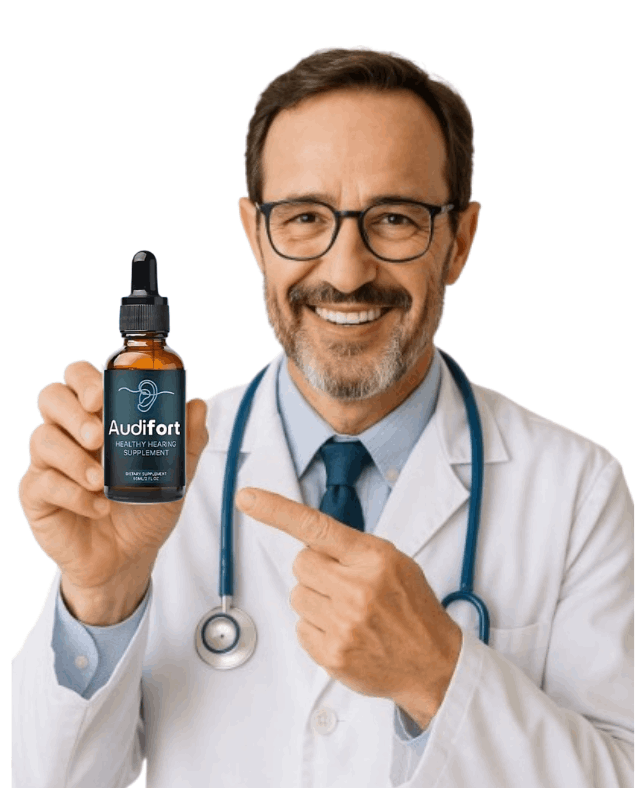
- Supplementation, like with Audifort, can aid in supporting overall ear health.
References & Sources
Part of Our Complete Guide
Protecting Your Hearing Naturally — What You Need to Know (2026)Explore the full guide for everything you need to know →