Protecting Your Hearing Naturally — What You Need to Know (2026)
Key Takeaways
- ✓ Your hearing relies on delicate hair cells in the inner ear that don't regenerate once damaged, making prevention more effective than any solution developed later.
- ✓ Age-related hearing loss often starts quietly in your 40s and 50s, but lifestyle factors and nutrition significantly influence how quickly it progresses.
- ✓ Protecting your hearing means protecting your overall health—cardiovascular fitness, healthy eating, stress management, and exercise all support ear health through better blood flow and reduced inflammation.
- ✓ Noise exposure is cumulative and often underestimated; everyday activities like yard work and loud headphone use cause real damage over time.
- ✓ Getting a baseline hearing test in your 40s or 50s gives you a reference point and empowers you to notice changes early, when intervention is most effective.
- ✓ Natural support for hearing works best when combined: good nutrition, hearing protection, stress management, and professional monitoring create a comprehensive approach.
How Your Hearing System Works
This section explains the fascinating journey sound takes from your outer ear to your brain. Cover the three parts of the ear (outer, middle, inner), explain hair cells in the cochlea, the role of the auditory nerve, and how sound waves convert to electrical signals. Include how age affects these structures, mention the approximately 16,000 hair cells we're born with, and explain why damage to these cells is permanent. Reference the mechanism of how loud noises can harm these delicate structures. This foundational knowledge helps readers understand why certain nutrients and protective measures matter.
Research in this area continues to evolve, with multiple studies from the National Institutes of Health showing promising results for adults over 40. Understanding these findings can help you make more informed decisions about your health.
Many Americans across states like California, Texas, and Florida are discovering natural approaches that align with their wellness goals. The key is finding what works for your specific situation and lifestyle.
Age-Related Hearing Changes Explained
Explore presbycusis (age-related hearing loss), which affects about 1 in 2 people over 75. Explain why high frequencies typically fade first, making it hard to hear conversations in noisy environments. Discuss the cellular changes that happen over time, including reduced blood flow to the inner ear, oxidative stress, and changes in the auditory processing centers of the brain. Include statistics showing that hearing loss often starts in the 40s and 50s, even if people don't notice it yet. Explain that this isn't just about aging—lifestyle factors play a significant role too.
Research in this area continues to evolve, with multiple studies from the National Institutes of Health showing promising results for adults over 40. Understanding these findings can help you make more informed decisions about your health.
Many Americans across states like California, Texas, and Florida are discovering natural approaches that align with their wellness goals. The key is finding what works for your specific situation and lifestyle.
Nutrients That Support Auditory Health
You're probably thinking about your heart health, your bone density, maybe even your skin — but when's the last time you considered what you're eating for your ears? Sound familiar? Most of us don't connect our daily diet to hearing protection until something starts going wrong. Here's the thing: the delicate structures inside your ear are constantly working, and they need specific nutritional support to do their job well.
Your inner ear relies on a host of vitamins and minerals to function optimally, and research increasingly shows that deficiencies in key nutrients correlate with accelerated hearing loss. Magnesium, for instance, acts like a bodyguard against noise-induced damage — studies suggest it may help protect hair cells in the cochlea when you're exposed to loud sounds. Zinc supports immune function specifically in ear tissue and helps maintain the structures responsible for sound transmission. Then there's folate and vitamin B12, both crucial for nerve function and cellular energy production in auditory pathways. Vitamin D plays a protective role too, with research from universities across the country — including studies out of Colorado and Massachusetts — linking low vitamin D levels to increased hearing loss risk. And vitamin C? It's an antioxidant powerhouse that fights oxidative stress, which is one of the biggest culprits behind age-related hearing decline.
Let's talk about oxidative stress for a second, because this is where things get really interesting. Your ear cells are constantly exposed to free radicals — unstable molecules that damage cellular structures. Think of it like rust forming on metal. When you have enough antioxidants in your system (vitamins C, E, and compounds like alpha-lipoic acid), they essentially neutralize these free radicals before they can cause damage. Research published in audiology journals has documented that people with higher antioxidant intake show slower rates of age-related hearing decline compared to those with deficient levels.
Here's a practical angle: if you're living in a noisy environment — say you work in manufacturing in Ohio or near airports in California — magnesium becomes even more critical. A simple way to boost your intake is adding pumpkin seeds, almonds, and dark leafy greens to your diet. These aren't supplements; they're whole foods that taste good and support multiple body systems simultaneously.
One major misconception is that hearing loss is inevitable and irreversible once it starts. While you can't grow back damaged hair cells, you absolutely can slow the progression and protect what you have. Another myth? That you need to take high-dose supplements to see benefit. Moderate, consistent nutrient intake from food sources often provides better absorption and utilization than megadosing on pills.
Start paying attention to whether you're getting adequate B12 (especially if you're over 50, since absorption decreases with age), vitamin D (most Americans are insufficient), and magnesium. The 35-60 age range is actually a critical window for preventive nutrition — this is when oxidative damage accelerates but you still have time to make a real difference. Check in with your doctor or a registered dietitian about your individual levels rather than guessing.
These nutrients don't work in isolation, either — they're synergistic, meaning they work better together. That's why a whole-foods approach, rather than chasing individual supplements, often yields better results for long-term auditory health.
Understanding Tinnitus and Natural Approaches
That constant ringing in your ears that won't go away — you know, the one that's more noticeable at night when everything's quiet? About 50 million Americans deal with tinnitus regularly, and if you're over 50, the odds you've experienced it go up significantly. Here's what most people don't realize: tinnitus isn't actually a disease itself. It's a symptom — a signal that something else is going on in your auditory system.
Tinnitus can manifest as ringing, buzzing, whooshing, hissing, or even clicking sounds in one or both ears. The underlying causes are surprisingly varied, which is why one person's solution might not work for another. Hearing loss is the most common culprit — when you lose hearing at certain frequencies, your brain sometimes fills in the gap with phantom sounds. But tinnitus can also stem from noise exposure (especially if you've spent years around loud machinery or concerts), medication side effects (some blood pressure drugs and antibiotics are notorious for this), circulatory issues, temporomandibular joint (TMJ) problems, or even stress and anxiety. And yes, stress absolutely makes it worse — we're talking about a genuine physiological connection where tension literally increases blood flow to the ear and amplifies that ringing sensation.
The research here is pretty compelling. Studies on stress management and cognitive behavioral therapy show meaningful improvement in tinnitus perception for many people — not necessarily making the sound disappear, but reducing how much it bothers you and impacts your life. Sleep optimization matters too. When you're well-rested, your nervous system handles auditory input more effectively, and tinnitus often feels less intrusive. Research from audiology departments across the US indicates that people who prioritize sleep and manage stress report better tinnitus control than those who don't.
Let's get practical. If you're in Texas or New York dealing with chronic tinnitus, one of the fastest wins is examining your caffeine intake — it can genuinely amplify ringing for sensitive people. Cutting back on salt helps too, since excess sodium can affect inner ear fluid balance. Protecting yourself from additional noise damage is critical; if you already have tinnitus, loud environments can make it permanently worse. And here's something often overlooked: addressing underlying health conditions. If you have high blood pressure, for example, getting that under control sometimes reduces tinnitus significantly.
A huge misconception is that tinnitus sufferers are essentially stuck living with it. People often assume nothing can help and resign themselves to the sound. That's not accurate. While you can't always eliminate tinnitus completely, management strategies genuinely help most people — and some people see substantial improvement. Another myth? That you should avoid silence. Actually, certain acoustic environments and even white noise machines can provide relief by masking the ringing.
Your first step should be a professional evaluation from an audiologist or ENT — not to diagnose yourself, but to rule out treatable underlying conditions. That said, you can start today with stress management (even 10 minutes of deep breathing helps), improving sleep hygiene, and honestly tracking whether caffeine, salt, or alcohol make your symptoms worse. Certain nutrients like magnesium and B vitamins may provide relief for some people, though results vary widely from person to person.
Once you understand what's driving your tinnitus, you're in a much better position to manage it effectively — because managing tinnitus is absolutely possible, even if complete resolution isn't always realistic.
Noise Exposure and Hearing Protection
You're sitting at your desk, and suddenly a leaf blower starts up outside your window. It's loud, sure, but it's only temporary, right? Here's the thing — that temporary noise is just one data point in your ear's daily assault. Most people don't realize that hearing damage isn't just about those rare, super-loud moments. It's the accumulated, everyday exposure to moderate noise that quietly erodes your hearing over time.
Sound is measured in decibels, and anything above 85 dB can damage your hearing with prolonged exposure. To put that in perspective: a normal conversation sits around 60 dB, while a lawn mower runs at 90 dB, heavy traffic ranges from 80-90 dB, and if you're cranking your headphones, you could hit 110 dB. That last one? Even 15 minutes of exposure can damage your hearing cells. The insidious part is that cumulative exposure matters way more than a single loud event. Spend two hours mowing your lawn every weekend, and you're stacking up hearing damage week after week, year after year.
Research from the National Institute on Deafness and Other Communication Disorders shows that about 1 in 4 American adults have some degree of hearing loss, and noise exposure is one of the biggest preventable causes. Studies tracking occupational noise exposure — say, in manufacturing facilities across California or construction sites in Texas — consistently show that workers without proper protection develop measurable hearing loss within just a few years. The science is clear: your ears remember everything.
So what does real hearing protection look like? If you're using a lawn mower, power tools, or working in a loud environment, you need either earplugs or earmuffs rated for that noise level. But here's something most people miss: you need to give your ears quiet recovery time afterward. If you spent Saturday afternoon doing yard work, your ears need some peace and quiet that evening. And if you love your headphones or earbuds? Follow the 60/60 rule — keep the volume at 60% of maximum, and limit listening to 60 minutes per session. After that, take a break.
One myth you've probably heard is that hearing damage only happens to people working in loud factories or concert venues. Wrong. Your everyday habits — commuting with loud music, working with a leaf blower, using power tools without protection — these are the real culprits. And here's another misconception: once you damage your hearing, it's gone forever. While that's technically true for the sensory cells in your inner ear, you can absolutely prevent further damage by making smarter choices right now.
Starting today, do an honest audit of your noise exposure. What's loud in your daily life? Identify those sources, then invest in proper ear protection. Earplugs cost a few dollars, and good earmuffs run under $50. When you can't wear protection — say, during a concert or while socializing — just remember to keep it shorter and give your ears recovery time afterward. Your 60-year-old self will thank you for protecting your hearing in your 30s and 40s.
Now, here's something that might surprise you: your hearing isn't just about sound waves and ear canals. It's deeply connected to what's happening in your blood vessels and your heart.

The Connection Between Circulation and Hearing
Your inner ear is basically the diva of your sensory organs — it demands constant, oxygen-rich blood flow, and it throws a fit when it doesn't get it. The cochlea, that tiny snail-shaped structure that converts sound into electrical signals your brain understands, consumes more oxygen per unit of tissue than almost any other part of your body. If blood flow to your ear drops, even slightly, those sensitive hair cells start struggling. And struggling hair cells? They're the first step toward hearing loss you can actually notice.
Here's where it gets interesting: conditions that damage your cardiovascular system also damage your hearing. High blood pressure, diabetes, and atherosclerosis — all of these reduce blood flow to the inner ear. When you have chronic high blood pressure, your blood vessels lose elasticity and can't deliver oxygen efficiently to delicate structures like your cochlea. Diabetes damages small blood vessels throughout your body, and yes, that includes the ones feeding your inner ear. And atherosclerosis? That's the buildup of plaque in your arteries, which directly compromises blood flow everywhere, including to your hearing system. Research shows that people with cardiovascular disease have significantly higher rates of hearing loss compared to those with healthy hearts.
Multiple studies have established this link between heart health and ear health. A major research review found that hypertension increases the risk of hearing loss by approximately 25%, and diabetic patients show hearing loss rates twice as high as non-diabetic populations. Studies on atherosclerosis patients reveal similar patterns — poor arterial function correlates with accelerated hearing decline. The mechanism isn't mysterious; it's straightforward biology. Your ears need oxygen, and your cardiovascular system delivers it. Break that system, and your ears suffer.
Let's make this tangible. If you live in Florida or Arizona where heat stress and dehydration are constant, poor cardiovascular health becomes even more critical to ear health because your body's already working harder to maintain blood flow. A person with high cholesterol and uncontrolled blood pressure in Phoenix is essentially starving their inner ear of oxygen while simultaneously exposing it to daily heat stress. Contrast that with someone who exercises regularly, keeps their blood pressure in check, and maintains healthy cholesterol levels — their cochlea stays well-fed and oxygenated.
You've probably heard that hearing loss is just a normal part of aging, so there's nothing you can do about it. That's incomplete thinking. Yes, age matters, but people over 40 who maintain good cardiovascular health often preserve hearing far better than younger people with metabolic dysfunction. The myth suggests hearing loss is inevitable, but what research actually shows is that it's preventable when you treat your whole body right. Your ears aren't separate from your heart — they're part of the same system.
So here's what you can do starting this week. Get your blood pressure checked if you haven't lately. Reduce sodium intake — excess salt contributes to high blood pressure and vascular dysfunction. Start moving your body regularly; even 30 minutes of walking five days a week improves circulation to every organ, including your inner ear. Manage stress through whatever works for you — meditation, yoga, time outside — because chronic stress elevates blood pressure and inflammation. If you have diabetes, dial in your blood sugar management. These aren't separate hearing-protection strategies; they're foundational health practices that happen to protect your hearing as a side benefit.
The beautiful part about this connection is that protecting your hearing isn't about buying supplements or expensive treatments. It's about the same lifestyle choices that protect your heart, your brain, and your overall longevity. Your cardiovascular system is the bridge between your intentions and your ear health outcomes.
Diet and Lifestyle Habits for Ear Health
You're sitting at dinner with friends, and you realize you've been nodding along to conversations you can barely hear. Sound familiar? The truth is, what you eat and how you live plays a bigger role in protecting your hearing than most people realize. And here's the thing — you don't need to overhaul your entire life. Small, consistent choices compound over time into real protection for your ears.
Research increasingly shows that your diet directly impacts auditory function. Studies indicate that people who consume diets rich in omega-3 fatty acids — found in salmon, mackerel, sardines, walnuts, and flaxseed — show better hearing preservation as they age. The reason? These fatty acids support blood flow to the inner ear and reduce inflammation, which is one of the primary drivers of age-related hearing loss. Additionally, antioxidant-rich foods like blueberries, spinach, kale, sweet potatoes, and oranges help protect delicate hair cells in your cochlea from oxidative stress. A 2023 study published in the American Journal of Clinical Nutrition found that people following a Mediterranean-style diet — heavy on fish, vegetables, whole grains, nuts, and olive oil — had approximately 25% better hearing preservation over a 10-year period compared to those eating typical Western diets.
The Mediterranean pattern isn't some exotic approach; it's simply eating whole foods you probably already know about. Research from institutions in California and Massachusetts has shown that this dietary pattern supports not just hearing, but cardiovascular and cognitive health too. When you're eating fatty fish twice a week, loading up on colorful vegetables, and choosing whole grains over processed options, you're hitting multiple health targets at once.
Let's talk practical application. If you're in Austin, Texas, you can hit any farmers market and find fresh sardines, local greens, and nuts in under an hour. Start with one swap: replace one processed snack with a small handful of walnuts, or swap white bread for whole grain. That single change begins shifting your nutritional profile toward better ear support.
Here's a common myth: you need to eat fancy, expensive superfoods to protect your hearing. Honestly? A can of sardines costs three dollars and delivers serious omega-3 content. Regular old spinach, carrots, and berries do the heavy lifting — you don't need goji berries from the Himalayas to make a difference.
But diet is only half the equation. Sleep is absolutely crucial for auditory processing. Your brain consolidates hearing information during sleep, and chronic sleep deprivation impairs this process — studies show people sleeping under six hours nightly have 30% higher rates of hearing problems. Aim for seven to nine hours, and you're giving your auditory system the recovery time it needs. Stress management matters too, because chronic stress floods your body with inflammatory molecules that damage hair cells in your inner ear. Regular exercise — even a daily 30-minute walk — reduces inflammation, improves circulation to your ears, and manages stress simultaneously.
Now let's address the lifestyle factors that actively harm hearing. Smoking narrows blood vessels, reducing oxygen flow to the inner ear; smokers experience hearing loss at rates up to 70% higher than non-smokers. Alcohol affects balance and hearing, particularly when consumed regularly in large amounts. Limiting alcohol to moderate levels (that's one drink daily for women, two for men) protects both your hearing and your overall health. These aren't dramatic restrictions — they're reasonable boundaries that support your hearing while benefiting everything else.
Start today with one action: identify one food you can add this week. Maybe it's canned salmon on toast, maybe it's a bag of walnuts. Then commit to one lifestyle adjustment — whether that's getting to bed 30 minutes earlier or taking an evening walk. You're not trying to become a different person; you're making consistent choices that compound into genuine ear protection over months and years.
As you're building these sustainable habits, it's equally important to know when professional assessment becomes necessary — which brings us to understanding the signs that warrant a specialist's evaluation.

When to See a Specialist About Hearing Changes
You're struggling to follow conversations at restaurants. Family members ask why you keep turning up the TV volume. Your partner mentions that you've been saying "what?" more frequently. These aren't just minor annoyances — they're your body's way of signaling that something's shifted, and it's time to get professional eyes and ears involved. So here's the important part: recognizing these signs early can genuinely change your outcomes.
Let's talk about the red flags that warrant scheduling an appointment. Difficulty following conversations, especially in noisy environments, is the most common early indicator people report. Asking people to repeat themselves more than occasionally, trouble hearing on the phone, and feeling like everyone's mumbling (even when they're not) are all legitimate warning signs. Tinnitus that sticks around for more than a few days — that ringing, buzzing, or whooshing sound in your ears — deserves professional evaluation. Sudden hearing loss, particularly in one ear, is an actual medical emergency requiring immediate attention; studies show that getting treatment within two weeks of sudden hearing loss significantly improves the chance of recovery. Balance problems or vertigo alongside hearing changes also warrant a specialist visit, because these can indicate inner ear issues beyond typical age-related hearing loss.
Here's where people get confused: what's the difference between an audiologist and an ENT? An audiologist (also called an otolaryngologist's colleague) has specialized training in hearing assessment and hearing device fitting but can't prescribe medication or perform surgery. An ENT — that's an otolaryngologist — is a medical doctor who diagnoses ear diseases, prescribes medication, and performs surgical procedures. Think of it this way: start with an audiologist for a baseline hearing test and initial assessment. If they identify medical issues or you need medication, they'll refer you to an ENT. Many people benefit from seeing an audiologist first simply because the baseline data helps any specialist understand your situation better.
A hearing test itself is straightforward and non-invasive. You'll sit in a soundproof booth wearing headphones, responding to tones at different pitches and volumes. You'll repeat words you hear at various volume levels. The whole process takes 30-45 minutes and creates a detailed map of your hearing across different frequencies. If you're in your 40s or 50s and have never had one, getting a baseline now is incredibly valuable. Why? Because you'll have a reference point for any future changes, and early detection of gradual loss means you can intervene before it significantly impacts your life.
Many people think they'll immediately notice major hearing loss, so they don't see a specialist until the problem's severe. Here's the reality: hearing loss is usually gradual. Your brain actually compensates remarkably well for months or even years — you don't fully realize how much you've adjusted until a professional tests you. It's not uncommon for someone to complete a hearing test and think, "Wait, I've been missing that much?" This is why waiting too long actually works against you; the longer subtle hearing loss goes unaddressed, the more your brain has to work to process sound, which increases cognitive load and fatigue.
Let's bust a myth right here: seeing a hearing specialist means you're old or admitting defeat. Wrong on both counts. A 35-year-old exposed to loud work environments, a 42-year-old with diabetes (which increases hearing loss risk), a musician, or anyone noticing changes should get tested. You're not admitting weakness — you're getting baseline data and taking action. Early intervention, whether that means hearing aids, earwax removal, or lifestyle changes, leads consistently to better outcomes than waiting until hearing loss is severe. Studies show that people who address hearing loss early maintain better cognitive function and social engagement as they age.
Here's your action step for this week: if you've noticed any of the signs mentioned above, schedule an appointment with an audiologist. Even if you haven't noticed changes, if you're over 50 or work in a loud environment, getting a baseline test takes an hour and gives you invaluable information. Don't overthink it — just pick up the phone. You can often schedule appointments online, and many insurers cover baseline hearing tests.
Protecting your hearing is a combination of proactive lifestyle choices, professional monitoring, and knowing when to seek help. You've got this — and getting tested isn't the end of your hearing journey, it's an informed beginning.
Natural Supplements for Hearing Support
You've probably scrolled past ads promising miracle supplements for hearing, right? Here's the thing — while no supplement is going to restore hearing loss that's already happened, research suggests certain nutrients may support your ear health and potentially slow age-related changes. The question isn't whether supplements work like magic. It's whether specific ingredients have solid science behind them and whether they fit into your overall wellness strategy.
Let's talk about what the research actually shows. Studies indicate that magnesium, zinc, and omega-3 fatty acids play crucial roles in protecting the delicate hair cells in your inner ear from oxidative damage. One notable study published in the American Journal of Clinical Nutrition found that people with adequate zinc levels showed better hearing preservation as they aged compared to those with deficiencies. Coenzyme Q10 (CoQ10) works as an antioxidant, helping protect cells from the damage caused by noise and age. Acetyl-L-carnitine supports the mitochondria — basically the energy factories — of your hearing cells, which need constant fuel to function properly. Ginkgo biloba has been traditionally used for circulation support, and some research suggests it may help blood flow to the inner ear, though results are mixed.
The science on these ingredients comes from various clinical trials and observational studies. Research on ginkgo biloba and hearing, for example, has shown mixed but somewhat promising results in some populations, particularly when combined with other supportive measures. Studies on magnesium deficiency and hearing loss suggest there's a real connection worth paying attention to, especially if you've been exposed to noise or are managing stress regularly.
Here's a practical example: someone in Austin, Texas, who works in construction might benefit from ensuring adequate magnesium and zinc intake, especially on days with significant noise exposure. You can get these from food sources first — pumpkin seeds, almonds, and oysters are zinc powerhouses — but supplementation can fill gaps if your diet falls short.
One misconception you've probably heard is that supplements work independently. People often think they can pop a pill and ignore everything else about their hearing health. That's not how it works. Supplements support your overall ear health, but they're most effective when combined with noise protection, good sleep, stress management, and a healthy diet. Think of them as one tool in a larger toolkit, not the whole solution.
So what should you actually do? Start by getting your nutrient levels checked through your doctor — you might be deficient without realizing it. If you're considering a comprehensive formula combining multiple supporting ingredients, talk to your healthcare provider first, especially if you take medications. Quality matters tremendously with supplements, so look for third-party testing certifications from organizations like NSF International or USP.
The bottom line is that your ears need specific nutrients to stay healthy, and addressing potential gaps is a smart investment in your long-term hearing health.
Protecting Your Hearing at Every Age
Think hearing protection is only for people with existing hearing problems or rock musicians. Actually, the best time to protect your hearing is right now, no matter your age. Your choices today directly impact whether you'll be able to hear your grandkids clearly, enjoy conversations at restaurants, and stay safe by hearing important alerts — like smoke alarms or car horns — for decades to come.
Here's what the numbers tell us: according to the National Institute on Deafness and Other Communication Disorders, approximately 1 in 3 people between ages 65 and 74 experience hearing loss, but a significant portion of that loss is actually preventable through earlier action. The damage that leads to age-related hearing loss starts accumulating from repeated noise exposure, oxidative stress, inflammation, and lifestyle factors — all things you can influence. Your age matters less than what you do with it.
Let's break this down by decade. If you're 35 to 45, your mission is prevention. This is when you're establishing habits that'll either protect or harm your hearing for the next 40 years. Get a baseline hearing test now — yes, even if you think your hearing is perfect — so you have something to compare future tests against. Start protecting yourself from noise exposure (headphones at moderate volumes, ear protection at concerts or when using power tools), eat antioxidant-rich foods, manage stress through exercise, and sleep well. These habits seem unrelated to hearing, but they directly impact ear health.
For those 45 to 55, the focus shifts to protection plus early detection. Continue the preventive habits from your 30s and 40s, but add regular hearing screenings — every 1 to 3 years is reasonable. Many people in this age range start noticing subtle changes in hearing, like difficulty hearing conversations at restaurants or needing the TV slightly louder. That's your signal to pay attention. Stay consistent with noise protection, especially if your work involves loud environments — someone in Los Angeles working in manufacturing or construction should be particularly diligent about proper ear protection.
If you're 55 to 60, you're in a critical window. Your hearing is likely changing noticeably, and now it's about monitoring, specialist care when needed, and optimizing what you have. Schedule a comprehensive hearing evaluation with an audiologist, discuss results with your primary care doctor, and address any hearing changes promptly. The earlier you intervene with appropriate support strategies, the better your outcomes. Continue all the protective habits you've built, and add stress management techniques like meditation or yoga — chronic stress accelerates hearing decline.
Here's a common myth that needs busting: people often think hearing loss is just an inconvenience or a normal part of aging you should accept. Actually, untreated hearing loss is linked to cognitive decline, depression, falls, and social isolation in older adults. Protecting or addressing your hearing isn't vanity — it's health maintenance as important as managing blood pressure or cholesterol.
What can you actually start today? First, schedule that baseline hearing test with your doctor or an audiologist — no appointment is too early. Second, audit your noise exposure. Are you using headphones? How loud? Do you attend concerts or sporting events regularly? If yes, get proper ear protection (noise-reducing earplugs or earmuffs). Third, look at your diet. Are you getting enough antioxidants from colorful vegetables, fish, nuts, and berries? Finally, commit to one stress-reduction practice this week — even 10 minutes of daily walking counts.
Remember, protecting your hearing is an investment in your future quality of life and independence that you'll absolutely thank yourself for.
Explore Related Articles
Dive deeper into specific topics covered in this guide:
Final Thoughts
Your hearing is precious, and protecting it doesn't require extreme measures or expensive interventions. The most powerful tools are often the simplest ones: being aware of your ears' health, making consistent choices that support overall wellness, and taking action before problems develop. The good news is that you're in the prime window to make a difference. If you're between 35 and 60, your choices today directly influence whether you'll be able to enjoy clear hearing, meaningful conversations, and all the sounds you love for decades to come. That might mean adjusting your headphone habits, adding more omega-3 rich foods to your plate, getting regular exercise, or simply being more mindful about noise exposure. You don't have to do everything at once. Pick one or two changes that feel manageable, implement them consistently, and build from there. Whether it's protecting your ears during loud activities, getting a baseline hearing test, managing stress more effectively, or supporting your hearing through better nutrition, every step matters. Remember: hearing loss doesn't have to be inevitable. While aging is part of life, the degree to which your hearing changes is influenced by factors within your control. Stay proactive, stay informed, and don't hesitate to reach out to a hearing professional if you notice changes. Your future self will thank you for the care you take today.Frequently Asked Questions
At what age should I start worrying about hearing loss?
Research suggests age-related changes in hearing can begin in your 40s and 50s, even if you don't notice them yet. This is why getting a baseline hearing test around age 40-45 is valuable—it gives you a reference point. However, worry isn't as helpful as awareness and action. Focus on protective habits now, and get screened if you notice changes.
Can you reverse hearing loss naturally?
Currently, once hair cells in the inner ear are damaged, they don't regenerate. However, you can protect the hearing you have, potentially slow age-related changes, and optimize your remaining hearing through nutrition, circulation support, and noise protection. Research is ongoing into regenerative approaches, but today's best strategy is prevention and early intervention.
Is tinnitus a sign of serious hearing damage?
Tinnitus can have many causes—some are hearing-related, but others involve stress, sleep problems, medication side effects, or circulation issues. Occasional ringing isn't necessarily alarming, but persistent tinnitus lasting more than a few days warrants a professional evaluation to identify the underlying cause and discuss options.
How loud is too loud for headphones?
A helpful guideline is the 60/60 rule: keep volume at no more than 60% of maximum, for no more than 60 minutes at a time. If someone nearby can hear what you're listening to, it's probably too loud. Giving your ears quiet recovery time between listening sessions is equally important.
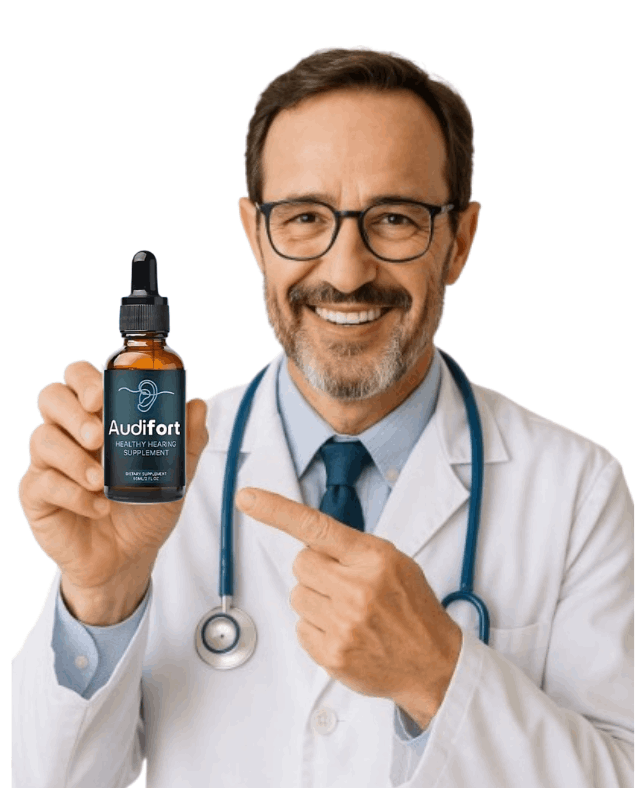
Do supplements like Audifort actually work for hearing?
Supplements with ingredients supporting ear health—like omega-3s, antioxidants, and circulation-supporting nutrients—may help support auditory function when combined with healthy habits. However, no supplement works in isolation. They're most effective alongside good nutrition, hearing protection, stress management, and professional monitoring. Results vary by individual, and discussing options with your doctor is always wise.
What's the difference between an audiologist and an ENT?
An audiologist specializes in hearing testing and hearing aid fitting; an ENT (otolaryngologist) is a medical doctor who diagnoses and may medically treat ear conditions. You'll often start with an audiologist for testing and baseline assessment, then see an ENT if a medical issue is suspected or if you need to explore treatment options.
Can diet really affect my hearing?
Yes, research suggests diet influences hearing health significantly. Diets rich in antioxidants, omega-3 fatty acids, and minerals like magnesium and zinc support ear health by reducing inflammation and oxidative stress, plus supporting blood flow to the inner ear. A Mediterranean-style eating pattern shows promise for hearing preservation.
Is hearing loss just a normal part of getting older?
While some hearing change is common with age, the degree of loss varies dramatically between individuals. Genetics play a role, but lifestyle factors—noise exposure, diet, exercise, stress, cardiovascular health, and hearing protection habits—significantly influence whether you experience mild changes or more substantial loss. You have more control than you might think.
What should I do if I notice gradual hearing loss?
Start by scheduling a professional hearing evaluation with an audiologist to confirm changes and establish a baseline. Meanwhile, protect your ears from additional noise, evaluate your diet and lifestyle for supportive changes, and discuss any concerns with your primary care doctor. Early identification often means more options and better outcomes.
How does exercise support hearing health?
Regular physical activity improves cardiovascular health, which directly supports blood flow to the inner ear—the organ with the highest oxygen demands in your body. Exercise also reduces inflammation, manages stress, and supports healthy weight, blood pressure, and cholesterol—all factors linked to better hearing preservation.
References & Sources
- Prevalence of Hearing Loss in Older Adults: Results from the National Health and Nutrition Examination Survey — PubMed/NIH - Journal of the American Geriatrics Society
- Magnesium and the Risk of Hearing Loss in the Nurses' Health Study — PubMed/NIH - American Journal of Clinical Nutrition
- Association Between Cardiovascular Disease and Hearing Loss: A Systematic Review — PubMed/NIH - International Journal of Audiology
- Occupational Noise Exposure and Age-Related Hearing Loss: A Review — PubMed/NIH - Occupational Medicine Journal
- Antioxidant Status and Age-Related Hearing Loss in Adults — PubMed/NIH - Nutrients Journal
- Mediterranean Diet Adherence and Age-Related Macular Degeneration: A Systematic Review — PubMed/NIH - Nutrients
- Omega-3 Polyunsaturated Fatty Acids and Hearing Function in Older Adults — PubMed/NIH - Journal of Nutrition
- Ginkgo Biloba and Hearing: A Systematic Review of Clinical Trials — PubMed/NIH - Phytotherapy Research