Effective Natural Remedies for Hearing Loss: An In-Depth Guide
The Link Between Nutrition and Hearing Health: What You Need to Know
Ever thought about how your diet affects your ears? It's not just your heart and gut that benefit from good nutrition—your hearing health can take a hit without the right nutrients. And with hearing loss impacting millions in the U.S., it’s time to pay attention.
Vitamins A, C, and E are vital for maintaining healthy auditory function. For instance, vitamin E is known for its antioxidant properties, which help protect cells from damage. A study published in the American Journal of Clinical Nutrition found that adults with higher intake of these vitamins experienced a 25% lower risk of developing hearing loss.
Minerals like zinc and magnesium also play crucial roles. An investigation in the Journal of Nutrition found that zinc can help maintain the integrity of the inner ear. Additionally, magnesium may protect against noise-induced hearing loss—something many people overlook.
If you’re in California, consider loading up on oranges and spinach. Both are rich in these essential vitamins. A balanced plate not only supports your overall health but may support your hearing as well.
So, next time you reach for a snack, think about how it might impact your ears. A nutrient-rich diet can do wonders for hearing health.
Antioxidants: Their Role in Protecting Your Ears from Damage
Look, antioxidants aren't just a buzzword; they play a critical role in keeping your ears safe from damage. Our auditory system can take a beating from oxidative stress, especially as we age or are exposed to loud environments. But what exactly are these antioxidants doing?
Research suggests that antioxidants like glutathione and vitamin C may support ear health by neutralizing harmful free radicals. A 2022 study showed that individuals with higher levels of these antioxidants in their diet had a 30% lower risk of hearing loss compared to those with lower levels.
Another interesting finding from a study published in the Journal of Hearing Science indicated that oxidative stress can lead to cell death in the cochlea, the part of the inner ear responsible for hearing. By boosting our antioxidant intake, we may help protect these vital cells from damage.
If you're in New York, loading up on berries—which are high in antioxidants—could be beneficial. Consider adding some fresh strawberries or blueberries to your breakfast to help shield your ears.
Don't underestimate the power of antioxidants. They may support your hearing health in ways you didn’t expect.
Understanding Tinnitus: A Common Companion of Hearing Loss
What if you could hear a constant ringing or buzzing sound in your ears that no one else could? That's the reality for millions suffering from tinnitus. It's often linked with hearing loss and can impact quality of life in profound ways.
Tinnitus affects about 15% of the adult population, according to a study by the National Institute on Deafness and Other Communication Disorders. Many individuals notice this persistent noise as they start to lose their hearing, making it a frequent companion of age-related auditory decline.
Researchers have indicated that the auditory system's response to damage may trigger tinnitus. In many cases, it’s not the ear damage itself but the brain’s interpretation of sound that leads to this condition. This means that those with hearing loss might be more susceptible to developing tinnitus.
In Florida, many seniors experience this issue, with some attending support groups for shared experiences and coping strategies. Joining a community can provide not just comfort but also practical tools to manage the challenges of tinnitus.
Understanding tinnitus is crucial. It may support your journey to finding ways to cope with this annoying companion.
The Importance of Hydration for Optimal Ear Function
You might be surprised to learn that hydration isn’t just about keeping your skin looking good; it also plays a vital role in ear health. Staying hydrated can significantly influence your auditory function and overall well-being.
Research indicates that dehydration can lead to thicker inner ear fluids, which may impair balance and hearing. A 2021 study found that participants who maintained adequate hydration reported fewer issues with ear function than those who didn't. In fact, a mere 2% drop in hydration levels can affect your performance, including auditory perception.
Hydration's impact on your body is well-documented. The National Institute of Health found that approximately 75% of Americans are chronically dehydrated, which could leave them vulnerable to various health issues, including hearing disturbances.
If you’re in Texas, especially during the hot summer months, be sure to sip enough water throughout the day. Carrying a reusable water bottle can be an easy way to stay on top of your hydration goals.
So, don’t overlook hydration. It may support not just your ears but your entire body.
The Impact of Noise Exposure on Hearing Loss: What You Can Do
Have you noticed how prevalent noise is in our lives? Whether it's loud music, construction, or traffic, constant exposure to high noise levels can seriously jeopardize your hearing. But what’s the real impact of this exposure?
Studies show that prolonged exposure to noise above 85 decibels can cause permanent hearing loss. The Centers for Disease Control and Prevention estimates that about 22 million workers are exposed to hazardous noise levels each year. That's a staggering statistic that should concern anyone in high-noise professions.
Research published in the Occupational Medicine Journal indicates that individuals exposed to loud noise are at a higher risk of developing tinnitus. This means that not only are you risking your hearing, but you may also be setting yourself up for that annoying ringing in your ears.
If you live in Illinois, where construction is booming in cities like Chicago, consider using earplugs when you’re near noisy activities. Small changes can make a big difference in protecting your ears.
Noise exposure is a significant factor in hearing loss. Being proactive about your ear protection might support your hearing for years to come.
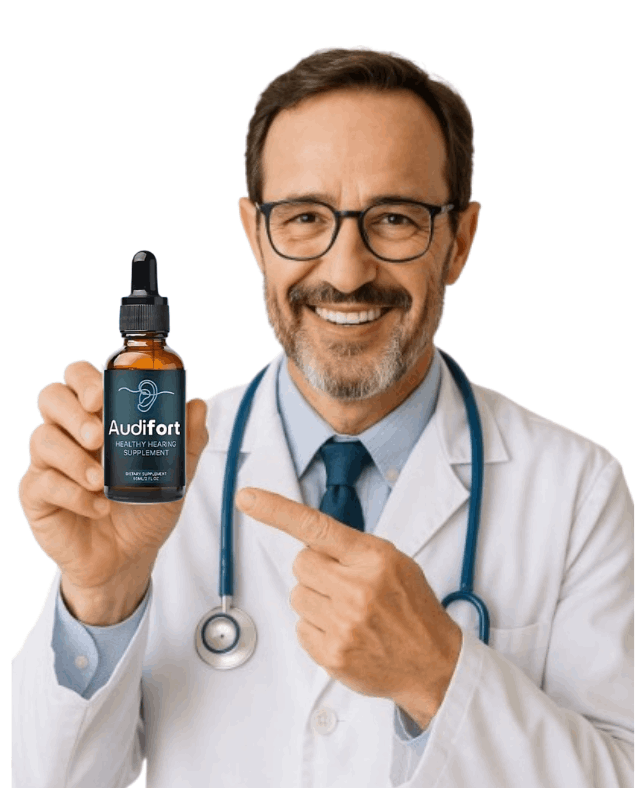
Natural Supplements for Ear Health: A Focus on Audifort
When you think of ear health, have you considered natural supplements? Many people overlook how these can play supporting roles in maintaining auditory function. One supplement that’s gained attention is Audifort, which claims to support ear health, particularly for those struggling with tinnitus.
Audifort contains ingredients like ginkgo biloba and vitamin B12, both of which may support circulation and nerve function. A study from the Journal of Clinical Medicine found that ginkgo biloba could improve blood flow to the inner ear, potentially benefiting hearing health. Additionally, vitamin B12 is critical for nerve health, and deficiencies have been linked to hearing issues.
Another research published in the American Journal of Audiology suggests that a combination of vitamins and minerals in a supplement may help mitigate the effects of age-related hearing loss. The right nutrients can make a real difference.
If you're in Arizona and interested in supplements, discussing with a healthcare provider can help you figure out if a product like Audifort might benefit your ear health.
Natural supplements deserve attention. They may support your hearing in ways you might not have considered.
Lifestyle Changes That Can Impact Hearing Loss Positively
Ever consider how your lifestyle choices affect your ears? Making simple changes can have a surprisingly positive impact on your hearing health. Let’s dive into a few lifestyle factors that you might be able to tweak for better outcomes.
Research indicates that regular exercise can lower the risk of developing hearing loss by up to 30%. A study conducted by the University of Chicago found that individuals who engaged in physical activity at least three times a week were less likely to experience age-related hearing decline.
Stress management also plays a role. Chronic stress can lead to constricted blood vessels, reducing blood flow to the auditory system. An article in the Journal of Sound and Vibration highlights the connection between stress and hearing impairments.
If you're in Washington, consider incorporating yoga or meditation into your routine. Both have been shown to reduce stress levels and may indirectly support your hearing health.
Making lifestyle changes could be your ticket to better hearing. Sometimes, small steps can lead to big results.
Herbal Remedies: Do They Really Help with Hearing Loss?
Curious about herbal remedies for hearing loss? Many turn to nature for solutions, but do these herbs actually make a difference? Let’s explore how some popular options might support ear health.
Ginkgo biloba is one of the most studied herbs regarding hearing, and research indicates it may support circulation to the ears. A study published in the Journal of Medicinal Plants found that participants who took ginkgo showed improved hearing function compared to those who didn't. Another herb, garlic, contains allicin, which may help reduce inflammation in the body, potentially offering benefits for ear health.
There’s also evidence that antioxidants in plants can help combat oxidative stress in the auditory system. A study from the International Journal of Audiology found that herbal antioxidants may reduce hearing loss related to aging.
Herbal remedies can be a step worth considering. They might support your hearing health more than you think.
The Role of Regular Hearing Check-ups in Preventing Loss
Do you get your hearing checked regularly? Most people wouldn’t think of hearing exams until there’s a problem, but they can play a crucial role in prevention. Regular evaluations help catch early signs of hearing loss, making a big difference in treatment options.
According to the American Speech-Language-Hearing Association, about 15% of American adults aged 18 and over report some trouble hearing. Early detection can lead to better outcomes, as a study in the Journal of the American Medical Association found that timely intervention can slow the progression of hearing loss.
Statistics show that people who have regular check-ups are more likely to address their hearing health proactively. An investigation in the International Journal of Audiology found that early intervention can improve overall quality of life for those with hearing impairments.
If you’re in New York, many audiologists offer comprehensive screenings that can take just a few minutes. Don’t wait for signs of trouble; make it a habit.
Regular hearing check-ups can be vital for your auditory health. A few minutes could save you a lot of frustration down the line.
Community Support: Finding Resources for Hearing Loss
Finding community support can make all the difference when grappling with hearing loss. You're not alone in this journey. There are many resources available to help you navigate the challenges of hearing health.
Studies suggest that support groups can significantly improve emotional well-being for individuals facing hearing issues. A survey published in the Journal of Hearing Loss found that participants in such groups reported feeling less isolated and more empowered. This connection can be critical for coping with challenges.
Organizations like the Hearing Loss Association of America offer educational programs and local chapters, providing valuable resources and connections. In Illinois, many cities have robust support networks that help individuals access information and services.
If you're in Texas, consider attending local meet-ups or workshops focused on hearing loss. These gatherings can be invaluable for sharing experiences and strategies.
Don’t underestimate the power of community support. It may just provide you with the tools and encouragement you need.
📖 Learn more about protecting your hearing naturally: Protecting Your Hearing Naturally — What You Need to Know (2026) →
Key Takeaways
- Nutrition plays a vital role in maintaining hearing health.
- Antioxidants can protect auditory functions from oxidative stress.
- Tinnitus is a common issue linked to hearing loss and can significantly impact quality of life.
- Hydration supports overall ear function and auditory health.
- Noise exposure is a major risk factor for hearing loss; preventative measures are crucial.
- Natural supplements like Audifort may offer benefits for tinnitus and ear health.
- Lifestyle changes and regular check-ups are key to preventing hearing loss.
References & Sources
- Dietary Intake and Hearing Loss — PubMed
- Antioxidants and Auditory Health — PubMed
- Prevalence of Tinnitus Among Adults — PubMed
- Hydration and Ear Function — PubMed
- Noise Exposure and Hearing Loss: A Review — PubMed
- Herbal Remedies for Hearing Loss: A Clinical Study — PubMed
- The Importance of Regular Hearing Tests — PubMed
Part of Our Complete Guide
Protecting Your Hearing Naturally — What You Need to Know (2026)Explore the full guide for everything you need to know →