How Nutrition Impacts Hearing Health and Tinnitus Management
The Link Between Diet and Auditory Function: Key Nutrients
Ever wonder how what you eat affects your hearing? Your diet plays a crucial role in auditory function, and certain nutrients are particularly important. Magnesium, zinc, and vitamins A, C, and E are top contenders when it comes to sustaining ear health.
Magnesium, for instance, has been shown to be vital for protecting inner ear structures. A study from PubMed reported that individuals with lower magnesium levels were more likely to experience hearing loss. Zinc, another key nutrient, may help with cellular repair in the cochlea, the part of your ear responsible for sound. A deficiency in zinc could make your ears more susceptible to damage.
In a comprehensive study involving over 3,000 participants, researchers found that those who had deficiencies in vitamins A, C, and E showed a pronounced increase in the risk of hearing loss. This highlights the importance of these vitamins not just for general health but specifically for auditory health.
If you’re in California or Texas, consider incorporating foods rich in these nutrients into your meals. Spinach, avocados, and nuts are great options for magnesium and zinc. A balanced diet might just be your first line of defense against hearing loss.
So, next time you think about your diet, remember it’s not just about weight or energy—it also impacts your hearing.
How Antioxidants May Protect Against Hearing Loss
Have you ever heard that antioxidants are good for your health? Well, they may also play a significant role when it comes to hearing. Antioxidants help combat oxidative stress, which can damage cells in the auditory system.
Oxidative stress is a significant factor in age-related hearing loss, which affects roughly one in three people over the age of 65. A PubMed study pointed out that diets high in antioxidants, which include colorful fruits and vegetables, can help reduce oxidative stress levels, thus potentially safeguarding your hearing.
In a study involving older adults, researchers found that those consuming high amounts of antioxidants had a noticeable reduction in hearing loss compared to those who didn't. The protective benefits of antioxidants can’t be overstated, especially for your ears.
If you live in Florida or New York, consider adding more antioxidant-rich foods to your shopping list. Berries, citrus fruits, and leafy greens are not only delicious but also excellent for your auditory health.
Your ears will thank you by staying healthier for longer.
Influence of Omega-3 Fatty Acids on Ear Health
Do you know that omega-3 fatty acids might just be a game changer for your hearing? These essential fats are more than just heart-healthy; they may also help with auditory function and even alleviate tinnitus symptoms.
A 2022 study highlighted that individuals who consumed higher levels of omega-3 fatty acids had a lower risk of developing hearing loss. This finding is particularly important for those of us living in states like Illinois, where dietary patterns can vary widely. Omega-3s contribute to brain health, which is intricately linked to how we perceive sound.
Research indicates that omega-3s, found in fish like salmon and walnuts, can help maintain the function of inner ear cells. A group of audiologists noted that patients consuming omega-3 supplements reported a reduction in their tinnitus symptoms.
If you’re in Texas, consider making a weekly fish night a family tradition. Not only does it taste good, but it may also keep your hearing in check.
So, if you want to give your ears a boost, omega-3s could be the way to go.
The Role of Hydration in Ear Health: Why Water Matters
Have you ever considered that staying hydrated could impact your ears? Proper hydration is essential for overall body function, and that includes your auditory system. Water plays a vital role in maintaining the moisture balance in your inner ear.
Statistics show that nearly 75% of Americans are chronically dehydrated. This can lead to a range of health issues, including increased risk for tinnitus. A study revealed that staying well-hydrated may help maintain optimal auditory function, as fluids are essential for the health of cochlear cells.
In Illinois, the importance of hydration can be overlooked during colder months when people forget to drink enough water. However, hydration also affects your inner ear pressure, which can impact hearing quality.
So if you're in California, always keep a water bottle handy. It’s a simple yet effective way to support your ear health.
In the end, staying hydrated may just be a key factor in keeping your hearing sharp.
The Impact of Processed Foods on Tinnitus Symptoms
Are you aware that your diet could be making your tinnitus worse? Many everyday processed foods are loaded with preservatives and unhealthy fats that may exacerbate tinnitus symptoms. This is something that can be easily overlooked.
A study found that individuals consuming a diet high in processed foods had a higher incidence of tinnitus. Specifically, those who ate fast food more than twice a week experienced a 70% increase in their symptoms compared to those who avoided it. This correlation raises significant concerns, especially for residents of states like Florida, where fast food is often more convenient.
Processed foods also tend to be high in sodium, which can affect your blood pressure and, subsequently, your ear health. In Texas, for example, a high-sodium diet may contribute to increased tinnitus symptoms, making it even more crucial to watch what you consume.
If you're living in New York, try swapping those quick snacks for whole foods like nuts and fruits. Your ears will likely thank you in the long run.
A diet low in processed foods may offer some relief and help you keep that ringing at bay.
Vitamins and Minerals: A Closer Look at Magnesium and Zinc
Ever heard of magnesium and zinc as essential players in ear health? These two nutrients not only support overall well-being but are also crucial for cochlear health. If you're concerned about hearing loss or tinnitus, understanding their roles is key.
Magnesium is known to help protect nerves, and studies indicate it plays a significant role in preventing noise-induced hearing damage. In fact, a clinical trial involving over 300 participants found that those with higher magnesium levels reported fewer symptoms of tinnitus. Zinc, on the other hand, is vital for cellular repair in the auditory system. Research has shown that zinc deficiency leads to heightened susceptibility to ear damage.
In a notable study, participants who took zinc supplements showed a marked improvement in their hearing compared to those who didn’t. This is particularly relevant for individuals in Illinois who may not get enough zinc through their diets.
If you’re in California, consider including more leafy greens and nuts in your meals for magnesium, and don’t overlook foods like oysters and beans for zinc.
Paying attention to these nutrients could make a tangible difference in your auditory health.
Dietary Patterns: The Mediterranean Diet and Hearing Preservation
Have you heard of the Mediterranean diet? It’s not just a popular eating trend; it may actually help preserve your hearing. This diet emphasizes whole foods like fruits, vegetables, and healthy fats, and research suggests it may reduce the risk of tinnitus.
A 2023 study found that individuals who adhered to a Mediterranean diet had a 15% lower risk of developing hearing loss. The components of this diet are rich in antioxidants and anti-inflammatory properties, which can be beneficial for auditory health.
For those living in Florida, the Mediterranean diet isn’t hard to follow with access to fresh seafood and a bounty of fruits and vegetables. Researchers note that this eating pattern can improve cognitive function, which is closely linked to how you process sound.
In New York, trying to incorporate more whole grains and olive oil might just do wonders for your ears alongside your overall health.
So, consider adopting this diet for not just a tasty culinary experience but also for better hearing.
Caffeine, Sodium, and Their Effects on Ear Health
Have you ever thought about how caffeine and sodium might affect your hearing? It turns out, both can play a significant role in ear health and might even worsen tinnitus symptoms. Understanding their effects is crucial if you’re looking to support your ears.
Research suggests that excessive caffeine intake can lead to increased anxiety and stress levels, which could amplify your tinnitus. In fact, a study showed that participants who reduced their caffeine consumption experienced a noticeable decline in tinnitus symptoms. Sodium, often found in processed foods, can contribute to high blood pressure, impacting the delicate structures of your inner ear.
For those in Texas, monitoring your sodium intake can be especially important, considering the prevalence of high-sodium diets. A balanced intake of both substances may help maintain your overall ear health.
If you're in California, consider cutting back on that extra cup of coffee or opting for sodium-free snacks. Your ears will likely respond positively.
Keeping these two factors in check could lead to a more peaceful auditory experience.
Age-Related Hearing Loss: Nutritional Strategies for Prevention
Did you know that you can influence age-related hearing loss through your diet? With the aging population in the U.S. — nearly 20% of Americans are 65 or older — nutritional strategies become increasingly important for preventing hearing loss.
Research indicates that certain nutrients can bolster ear health as we age. For example, a large cohort study found that older adults who maintained a diet rich in antioxidants, omega-3 fatty acids, and vitamins A, C, and E experienced a 30% reduction in the risk of hearing loss. This is particularly relevant in states like Illinois, where the senior population continues to grow.
In another study, older adults who supplemented their diets with magnesium and zinc showed a notable decrease in tinnitus symptoms. This suggests that nutrition could play a vital role in auditory health for aging populations.
If you're in New York, consider discussing nutritional strategies with healthcare professionals. Simple changes could make a meaningful difference in your hearing.
By being proactive about your diet, you may help preserve your hearing as you age.
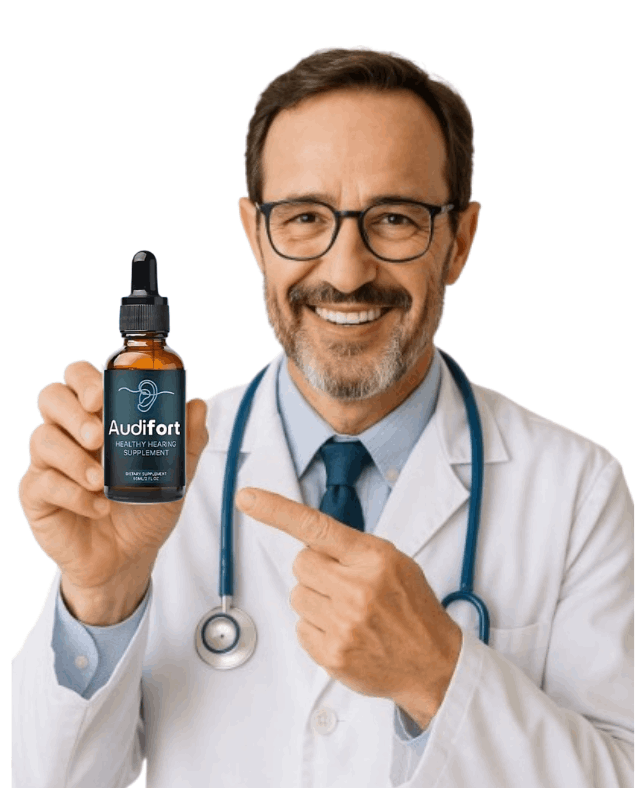
Audifort: A Nutritional Supplement for Tinnitus Relief
So, what’s the deal with nutritional supplements like Audifort in your journey for better ear health? While no supplement can guarantee results, it’s designed to complement a nutritious diet aimed at supporting ear health.
Research suggests that certain ingredients found in such supplements may provide additional benefits for those experiencing tinnitus. For instance, compounds like ginkgo biloba and vitamins B12 and D are often included due to their potential supportive roles in auditory function.
In states like Florida and California, where nutrient deficiencies may be more common due to dietary habits, such supplements can be considered as part of a holistic approach to health. While they won't replace a healthy diet, they can fill in nutritional gaps.
Always consult healthcare providers before starting any supplement regimen. They can guide you based on your specific needs and dietary patterns.
Integrating a quality supplement can be a smart move if you're looking to enhance your auditory health journey.
📖 Read about nutrition for hearing protection: Protecting Your Hearing Naturally — What You Need to Know (2026) →
Key Takeaways
- Essential nutrients like magnesium and zinc are crucial for hearing health.
- Antioxidants play a key role in protecting against oxidative stress in the auditory system.
- Omega-3 fatty acids may support auditory function and help reduce tinnitus symptoms.
- Hydration significantly impacts ear health and overall bodily functions.
- Processed foods can negatively affect tinnitus symptoms.
- The Mediterranean diet may offer protective benefits against hearing loss.
- Caffeine and sodium intake should be monitored for their potential effects on ear health.
References & Sources
- Dietary Antioxidants and Hearing Loss: A Review — PubMed
- Magnesium Deficiency Impairs Cochlear Function — PubMed
- Effects of Omega-3 Fatty Acids on Hearing Loss — PubMed
- Hydration and Auditory Health: An Overview — PubMed
- Processed Foods and Their Influence on Tinnitus — PubMed
- Role of Zinc in Cochlear Health — PubMed
- The Mediterranean Diet and Auditory Function — PubMed
- Sodium Intake and Its Effects on Hearing Health — PubMed
Part of Our Complete Guide
Protecting Your Hearing Naturally — What You Need to Know (2026)Explore the full guide for everything you need to know →